It has been nearly seven years since I started my k-drama journey, approaching 250 titles as my next milestone. I now feel that I can see the trends from a wider angle, pinpointing which years really nailed their content and which lacked their luster. 2024 was a bit of a “fill in the dots” year. This was my first year since starting this blog series that I had more trouble narrowing down this list, and not from who qualified, but rather who edged their way in.
Not all was lost, and not every year can have a bumper crop. But 2025 is another year, and there are plenty of untapped older dramas to enjoy.
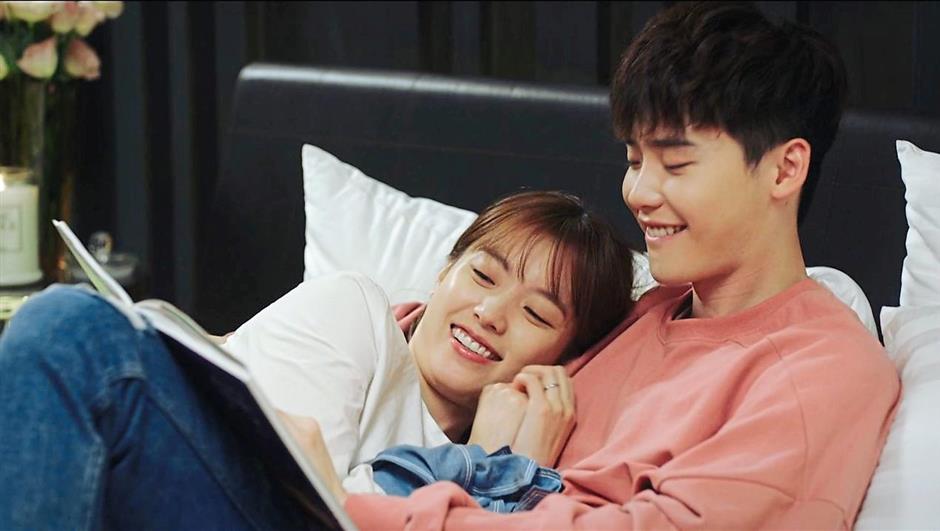
Lovely Runner
Lovely Runner is streaming on Viki
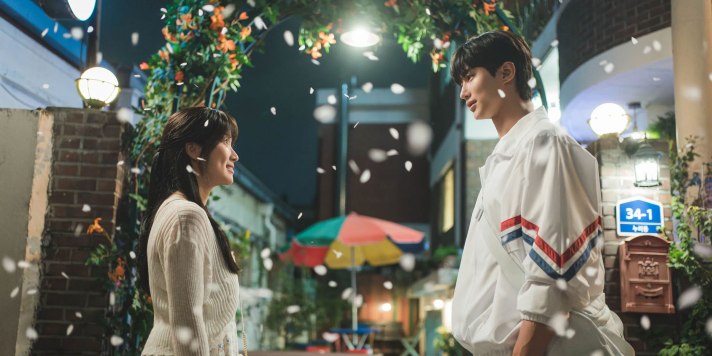
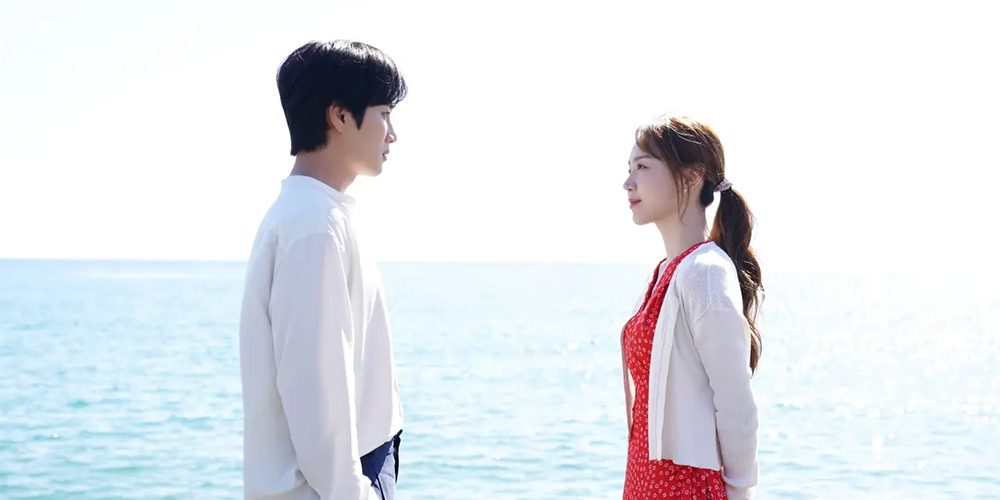
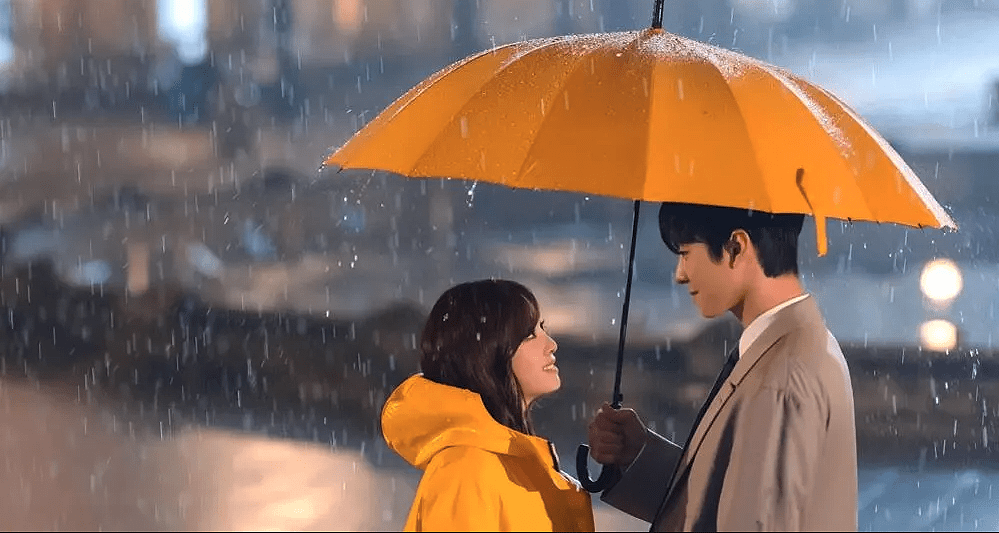
How do you handle finding out that the boy next door had a crush on you in high school but you totally missed it? It takes becoming his fangirl as an adult and getting swept into the quagmire of rewriting history when he suddenly dies one night after she goes to his concert. Can she change the past to save him and take the fangirl love to the next level?
The Atypical Family
Atypical Family is streaming on Netflix
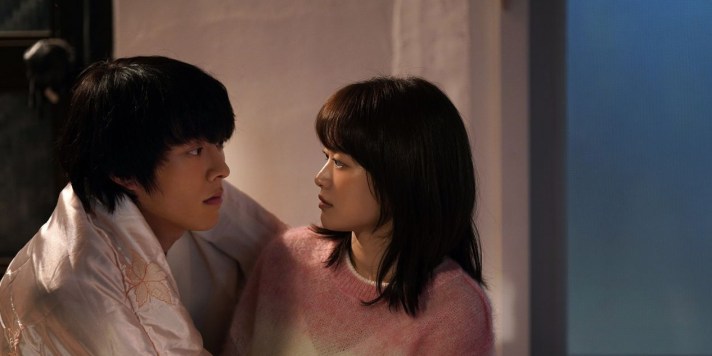
Atypical could not be a more appropriate descriptor for this drama. A family with hidden superpowers can’t seem to get them to work any more, with everyone slowly spiraling the drain as days go by. The mother chances upon Do Do-Hae while getting a massage and invites her to their home for private sessions. Who knew that one small decision could start a chain reaction that doesn’t go as anyone planned.
Family by Choice
Family by Choice is streaming on Viki
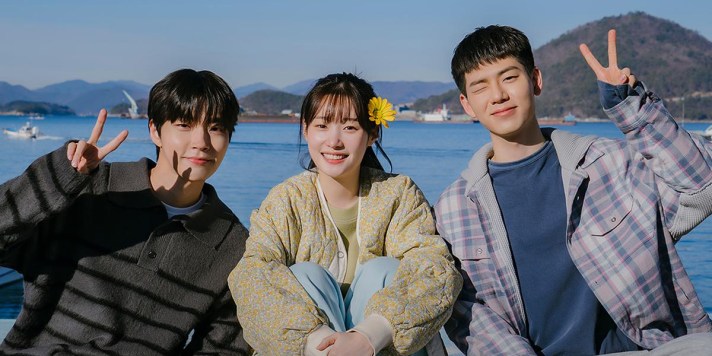
This drama would be more appropriately named Mommy Issues, but since it centers on chosen family, the original name stands. After losing her mom as an infant, Yoon Jo-Woon lives alone with her loving, noodle-shop-owning father when a new family moves in upstairs in their apartment building. Jo-Woon latches on to the neighbor boy, having always wanted an older brother. She unwittingly gets a two-for-one deal when her father ends up permanently caring for the his blind date’s son after she disappears and leaves him in his care.
Marry My Husband
Marry My Husband is streaming on Amazon Prime
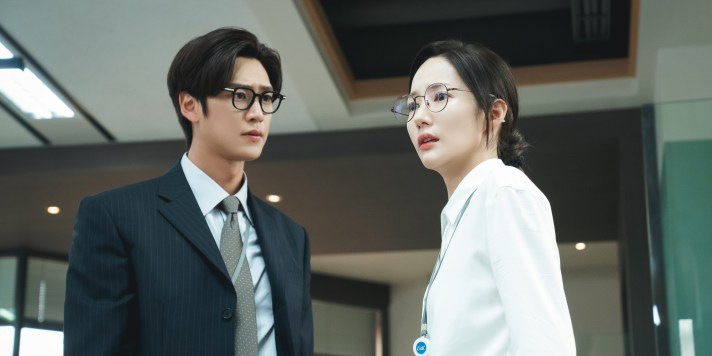
All it takes to finally realize your self worth is to marry a pathetic mommy’s boy who cheats on you with your so-called best friend and forces you to literally work yourself to death by getting cancer. When an unfair death gives Kang Ji-Won a second chance at life, she takes her situation in her own hands and decides to change her destiny.
Flex x Cop
Flex x Cop is streaming on Hulu
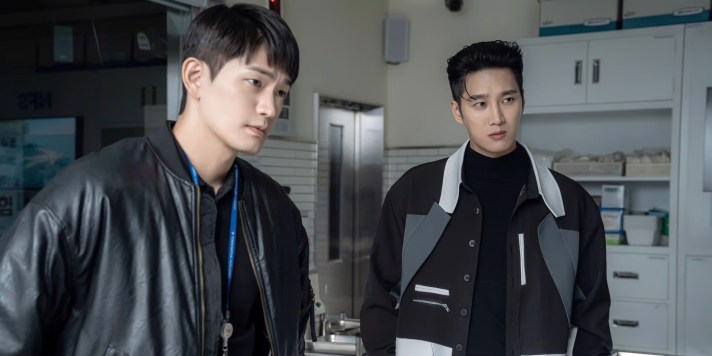
A spoiled rich kid with too much time on his hands shockingly gets himself into trouble and is sentenced to working as a cop as part of his father’s publicity stunt. His boss can’t stand his bravado and tries to bench him, but he manages to be more helpful than she’d care to admit. Maybe the cheeky golden spoon with more than meets the eye can be an asset to the team after all.
Honorable Mention: When the Phone Rings
When the Phone Rings is streaming on Netflix
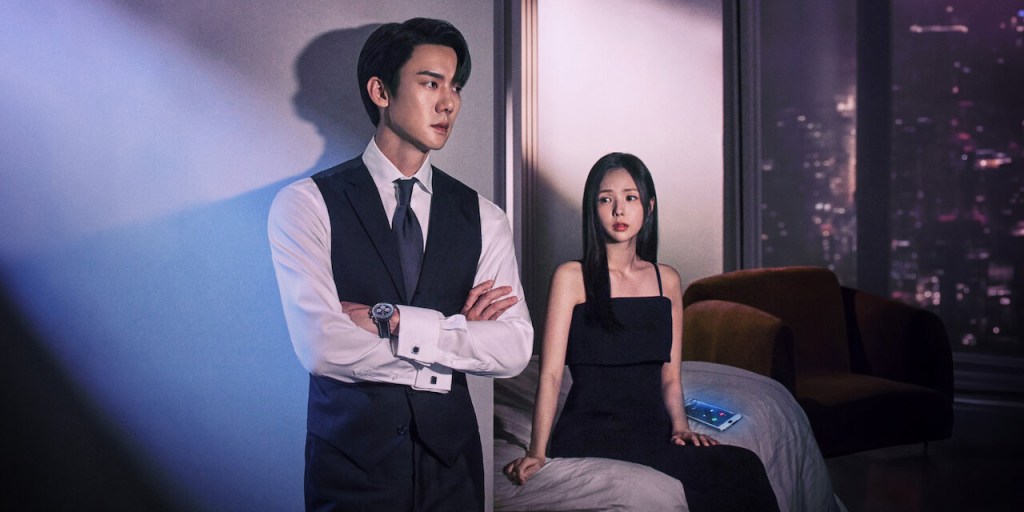
What happens when a presidential spokesperson refuses to publicly acknowledge his mute wife, confining her in their marriage with no realistic way out? When Hong Hee-Joo is kidnapped in an attempt to blackmail her husband, Hee-Joo takes matters into her own hands to find an escape from her loveless prison.
This drama was demoted to honorable mention purely because of the last episode. From what I’ve seen, the crew ran out of time to fully execute the last leg of the storyline, causing a large portion of the final episode to confuse viewers if they haven’t read the original webtoon. It would have been smarter to adjust the story to fit the schedule for the sake of successfully landing the plane.
2023 brought a number of new heavy hitters to my favorites list with each gaining their spot for different reasons. Since too many top tier dramas came out last year, I had to include an honorable mention this time since it deserved to make the cut. As with every year, or so it seems, the K-drama machine continues to duplicate itself and iterate on a theme. Some used those tropes a bit better than the rest, so check them out below.
Twinkling Watermelon
Twinkling Watermelon is streaming on Viki
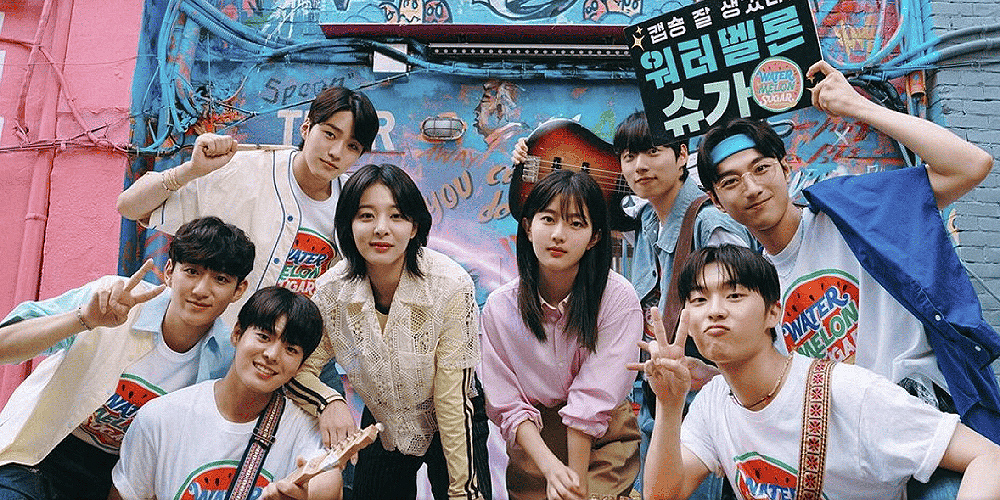
A story so sweet and refreshing it feels like taking a bite of the title of this drama. Taking a page from the Oscar-winning film CODA, this feel-good tale follows Eun-gyeol as he struggles to be his own person as the only hearing member of his family. After a blow-up between Eun-gyeol and his dad, a mysterious guitar shop takes him back to 1995 right into the path of, well, his 18-year-old dad. Eun-gyeol shapes his own dream while standing up for those without a voice in this reminder of the promise of youth.
Moving
Moving is streaming on Hulu & Disney+
Not your mother’s K-drama. (Even though I made my mom watch it?) But more in the vein of recent gritty dramas (i.e. Squid Game), this grown-up version of Sky High still has the heart of why we love K-dramas through the detailed characterization and beautiful relationships portrayed in this show. A government program recruits “skilled” agents for the off-the-book missions that normal operatives can’t do. When the first generation starts aging out, the offspring of said “skilled” agents are ripe for the taking, after careful observation. But not everyone is happy with their children following in their footsteps. Blossoming romances and fierce stand-offs litter this drama with a second season on the way.
See You in My 19th Life
See You in My 19th Life is streaming on Netflix
It’s hard to pinpoint exactly what makes this drama feel like the secure embrace from a loved one you haven’t seen in a long while. Maybe it’s the cinematography, the music, or the writing, but what truly sells this drama’s atmosphere is the astounding performance of Shin Hye-Sun. Don’t be deceived by her youthful appearance, her character Ban Ji-Eum radiates an old soul with 19 lives’ experience walking in a 24-year-old’s body. When her 19th life begins differently from the previous lives she remembers, Ji Eum sets out to reconnect with her best friend in her last life but discovers that the forgotten past might be repeating itself.
Daily Dose of Sunshine
Daily Dose of Sunshine is streaming on Netflix
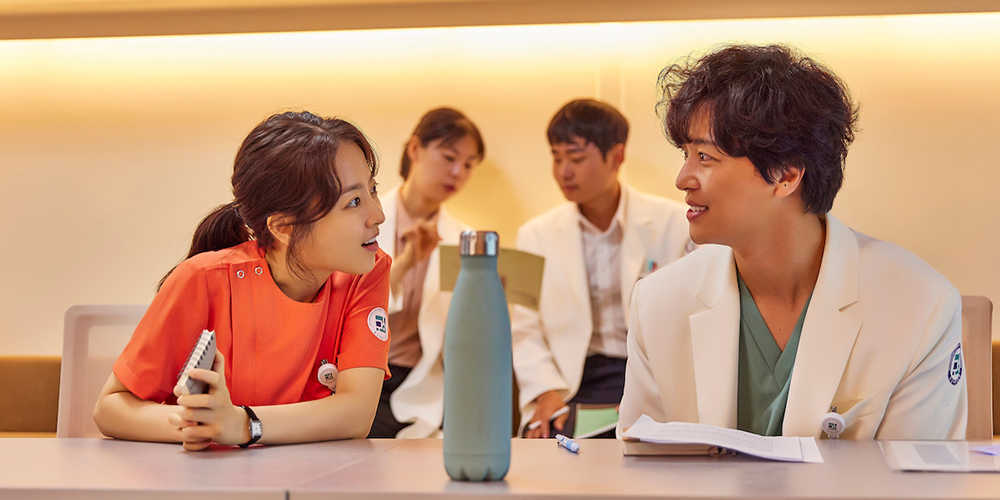
Don’t take this drama at face value: one will need to up their daily dose of sunshine after watching this drama. The beauty and complexity of friendship interweave with facing one’s fears and what lurks in the depths of one’s mind. A nurse in her final year of residency makes an abrupt turn from internal medicine to the psychiatric wing of the hospital, forcing herself to face the reality that she’s more like her patients than she knew. As the varied cast of characters confront their issues and support one another, the viewer comes along for the ride of discovering how life can get just a little bit better by finding those they can trust so that they never walk through the darkness alone. Another day is coming and sunshine is just around the corner.
The Good Bad Mother
The Good Bad Mother is streaming on Netflix
Confusing title modifiers aside, this drama is a masterclass in acting. A hard-working mom loses everything and moves her son to deep in the countryside to start a new pig farm. She forces her son to study night and day in order to become a prosecutor, at the cost of his own desires, and for what? The threads slowly unravel to reveal the true motivation: is she the “good” bad mother her son sees her as or has she been a good “bad” mother all along?
Honorable Mention: Castaway Diva
Castaway Diva is streaming on Netflix
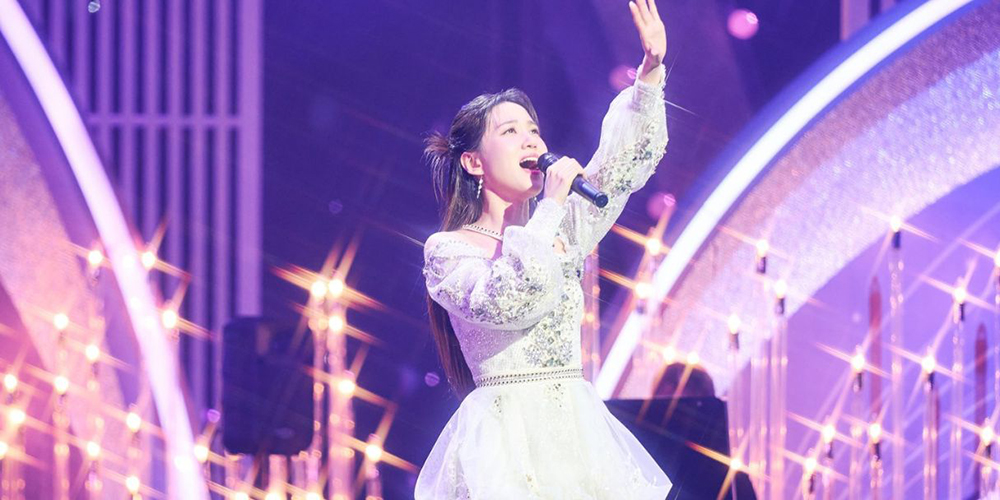
Sometimes being a fangirl actually pays off in mysterious ways. After an incident leaves Seo Meok-ha stranded on a desert island for 15 years, she is reunited with civilization and runs into her favorite singer, Yoon Ran-joo, who has been through the gambit since Meok-ha last saw her. Despite a rocky childhood and intense time alone, Meok-ha exudes hope and still dreams of becoming a singer. This hope rubs off on Ran-joo, jumpstarting her own dying career and inspiring her to help Meok-ha follow her dream. With reality checks and ghosts from the past, this drama reminds the viewer that it’s never too late to take a chance on a dream. Sometimes it will work out better than one hoped or a door will open to an even better path.
Having watched quite a number of dramas last year, I’ve selected my favorite five 2022 dramas for this list. There would be quite a list of honorable mentions but these five piqued my interest the most for various reasons. I even changed this list at the last minute after finishing one drama, check out my next blog post for my thoughts on that one.
business proposal
Why not take the tropes and run with it? Business Proposal helped start the year out with a light-hearted, genuine romantic comedy centered on food. A nice, solid bite of twelve episodes leaves no room for wasted time, although many viewers wished for just one more episode to push the love lines of both couples just a bit further. Be sure to have snacks while watching!
Gaus Electronics
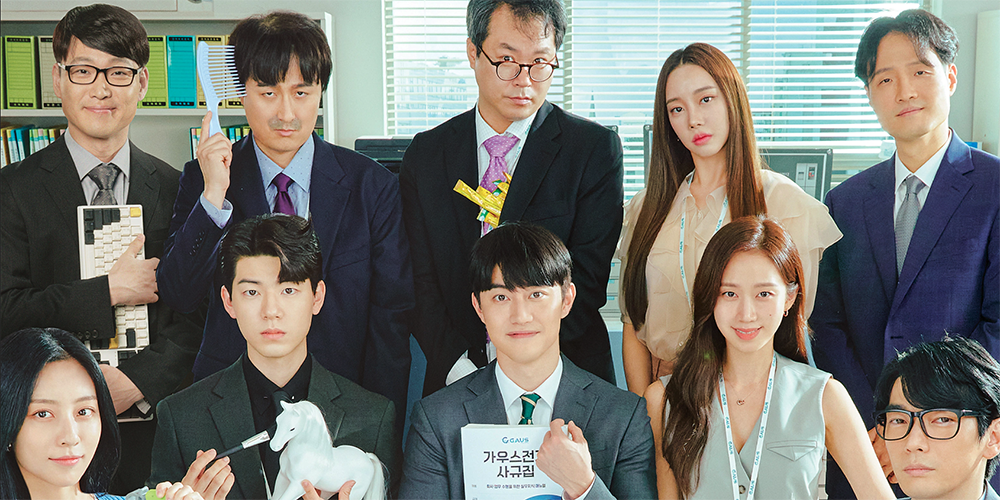
Chaotic co-workers, unlikely romance, and amazing puns. Two of those three things fit my own work environment. Another twelve-episode series packs a punch without going on too long, with great characterization and unexpected antics that keep viewers glued to the screen. What could go wrong when a wealthy chaebol heir wants to work at his family’s rival company? He couldn’t possibly end up on the black sheep team of the company…
Tomorrow
Hope still needs to be let out of Pandora’s box in this afterlife drama focused on rescuing souls on the brink of suicide. The afterlife has been modernized to have an app monitoring the happiness levels of souls, alerting grim reapers to be ready to guide people to their final destinations. But why must despairing people be left so alone to be pushed to the brink of what they can handle? A solitary team of grim reapers is not satisfied with seeing people who choose to take their own life as evil, but as desperate and in need of a helping hand.
Yumi’s Cells 2
Ba-bi or ba-bo? The second entry in the series of Yumi’s love life brings in a new boyfriend in the form of Ba-bi, a fellow writer in Yumi’s new department at work. But what happens if her ex-boyfriend is still hung up on her and is now wildly successful after she dumps him for not having his life together? Yumi’s (brain) cells certainly don’t know what to do.
Bad Prosecutor
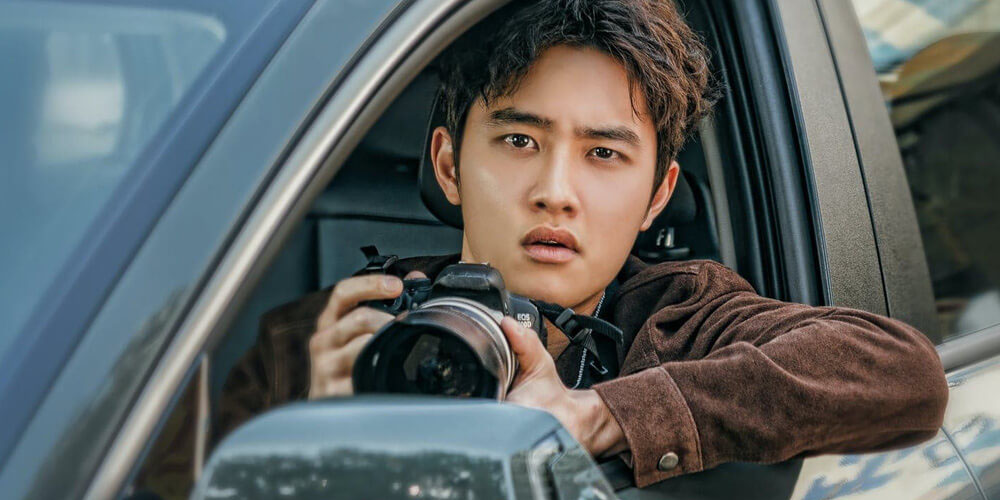
Kyungsoo with a sword, kicking ass and taking names in the name of the law. Say less.
First, don’t get the idea that I’m some kind of expert on this topic. My daughters first persuaded me to watch Korean dramas a few years ago, knowing that I love a good story (hey, I’m a literature teacher). I had been hearing about Korean dramas from students, too. I watched a little of one of the dramas from 2009 and was a bit unsure of what to think of the hairstyles and plotline. But then, one of my daughters talked my husband and me into watching Strong Girl Bong-Soon. I was hooked. And not just because my eyes had to stay glued to the television in order to catch all of the subtitles. Instead, it was the clean humor, fairly tame interactions, endearing characters, and high-level production quality that drew me in. (Plus, Park Bo-young was so cute in that show, right?) Since then, I’ve watched too many shows to count. I try to stay away from the really dark stuff, though. Squid Game is not my bag.
I think it was during our second or third series that I first noticed some recurring themes in the K-dramas I watched. So much so that it seemed that these themes or tropes helped define the genre. It became a game to see how many we could spot in each series we watched. No offense, K-drama enthusiasts, but a few of these are kind of silly. The list could be much longer, but after some agonizing, I have whittled it down to 12 recurring themes so this post won’t go on forever. I’m sure there are many more not mentioned here.
1. U-turn, preferably at night in the city
This one is my favorite. I look for it in every show I watch. Sometimes it happens more than once! Sometimes it doesn’t happen, but it seems rare… I wonder how many times people make U-turns in Korea in real life. It’s probably illegal at many intersections!
2. Karaoke
Someday I have to try singing away in front of other people at a bar. Just kidding. But it seems to be a way of bonding in K-dramas. It sure happens a lot!
3. Hospitalization due to exhaustion
The character always takes forever to wake up. Romantic lead or mom has to be waiting by the bedside. This happens to people all the time, right?
4. Rip out IV
This one is another personal favorite. It amazes me how the character isn’t dripping blood everywhere and just sweeps out of the room and out of the hospital.
5. A trip to the coast
This usually features a romantic interlude of some kind. I’m not dissing it, per se—I grew up on the coast. I like playing on the beach. I’m all for the romantic aspect, too. After all, my husband and I had our first date at the coast and he proposed to me there. But back to K-dramas. [SPOILERS] It was kind of amazing (as in, hard to believe) that they included one in The King’s Affection. But it was foreshadowed. You saw it coming, too, if you’ve seen that show.
6. Someone sitting alone at a bus stop
This scene is always shot from the street and I actually think it’s a great storytelling technique. Hey, it’s a great visual. Beautiful photography. Says so much. If it’s raining, you have pathetic fallacy, too. Some compelling scenes have happened at bus stops in K-dramas.
7. A character gets drunk on soju
This means someone has to carry them home piggyback. They never remember it, either. Why is it always at a sidewalk café?
8. Hangover soup after soju scene
This is a great tool for the writers. In the shows I’ve watched, it’s just one more way of developing a relationship. I mean, it’s homecooked, right? Or, personally ordered from a nearby restaurant?
9. Ahjummas
Sometimes found cleaning house using a Dyson. That and cooking side dishes and delivering them to their children—or “adopted” children. Oh, and offering free lectures on everything from how to get along with others to eating more sensibly. But also a shoulder to lean on. Important note: ahjummas sometimes play the silly, annoying character who acts as a foil for a sensible character. But they can also be the loyal supporter. I love those!
10. Eating tteokboki as comfort food
People eat that stuff like it’s num. In every show. You want to go out and get some, too, right? But it’s not penne pasta, folks. It’s rice cakes and fish and often a spicy sauce, and it’s like eating savory mochi. Talk about comfort food!
11. Rich guy buys the girl tons of clothes and possibly a makeover
Don’t I wish! Well, I’m happily married, but maybe a fairy godmother could come along… I’m just not into shopping, but if someone was helping me get it all done at once, I’d be game. And hey, when the rich guy is buying the clothes, the sky’s the limit!
12. It snows snowflakes or cherry blossoms
I mean, what better trope to signify romance? Don’t think cold or hay fever. It’s pretty! And start counting the camera shots. Like any good first kiss scene, there should be at least five or six camera angles. I think I counted eight camera angles one time!
While music and cinematography are often heralded as reasons to love a movie or television show, a less marketed aspect of filmmaking success is production design. A cohesive design goes a long way toward helping a production look and feel polished, whether it’s the set design, the locations, the costuming, or many more elements that have to be concepted from day one. Here are a few examples of K-dramas that are united in all aspects of their production.
The Uncanny Counter
The Uncanny Counter is streaming on Netflix
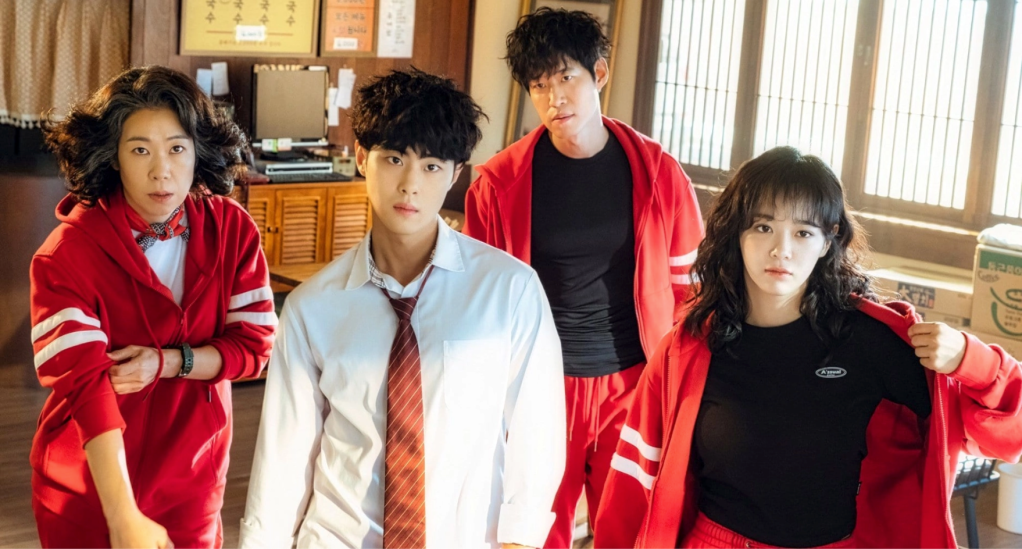
With its webtoon counterpart as a source, The Uncanny Counter keeps itself visually coherent through locations, costuming, and character styling. The establishing plot point is that the four leading characters are coma patients who have been given a second chance by being the hosts of spiritual beings wanting to destroy evil spirits. This gives the members (or “Counters”) respective supernatural strengths, each representing a critical role to round out the team. Strength, divination, healing, psychokinesis and a dash of other powers join forces as a unified front wearing matching red tracksuits.
For a drama centered around a squad, the established home base is critical, but even more essential is the family home when the main character is a teenage boy. Food is what brings these two locations together, as the base is a famous noodle restaurant and a warm meal waits for the protagonist So Moon when he arrives home to his worried grandparents. In cold contrast, the heavenly space where the spiritual beings hold court is awash in bright white light, blurring the edges of possibly relative morality. Familiar to those who enjoy Norse mythology, vertical glowing rainbow lines (“Counter territory”) signify a connection between the human world and the spiritual plane, allowing the Counters to trap an evil spirit and send them to their final destination.
A subtle nod to the hand-drawn source of the story, doodles appear on screen while So Moon is chatting with his friends. An artist himself, So Moon is drawing a superhero story without knowing he will soon become a real-life fighter himself. As revealed in the first episode, the breadth of power that So Moon possesses is beyond even what the others expect from a frail-looking high schooler with a physical handicap, allowing for a visual journey of progress as he hones his powers of summoning Counter territories.
As expected, all the members of the Counter squad have a small or large connection to each other in the past. Although the first season leaves viewers with a cliff-hanger, many of the loose ends tie together, reuniting characters and evoking emotions as the main storyline wraps up. Hopefully this series can be officially picked up for season two and carry with it the production quality of the first season.
Author’s Edit 6/27/23: Season two of Uncanny Counter finished production and will air in July 2023.
Business Proposal
Business Proposal is streaming on Netflix
If the relatable characters don’t sell viewers on the series, ambitious scene changes and character insertions litter Business Proposal’s first few episodes, accomplished through its purposeful storyboarding and talented editors. Much of the vision of the show is directly inspired by the webtoon it was based on, lending direction to the silhouettes and placement of characters in and between scenes.
Kim Se-jeong found the perfect starting blocks for becoming the lead actress in her second drama on this list, embodying the hard-working, friendly Shin Ha-ri with all the exuberance the actress already possesses. A far-cry from the toughness of Do Ha-na in The Uncanny Counter, Ha-ri and the whole cast of characters needed to reflect the tone of a romantic comedy while still representing their various positions of social status. The bonus challenge for the costume department was contrasting the style of both the average Ha-ri and her much wealthier alter ego Shin Geum-Hui, whom she embodied for the first portion of the drama. The CEO male protagonist Kang Tae-moo gets to keep wearing his expensive suits in or out of the office, while Ha-ri dances around him as both herself and Geum-hui. Eventually, she goes from throwing on her white lab coat for work and a wig to play Geum-hui, finally emerging as just herself, Ha-ri.
The series doesn’t take itself too seriously, borrowing scenes from famous dramas to include fun Easter eggs for those more familiar with Korean television. Yellow umbrellas and slow-mo shots, accidents to send someone rushing to the hospital, and plenty of fried chicken helped the production keep a lighter tone to suit its genre. Seemingly a farce at first, the show brings in every rom-com trope to satisfy viewers but instead turns them on their head and takes an approach of female agency and respect between partners instead of the over-used “hero saves damsel” tactics. “What kind of show makes the characters get together after just one kiss?” As their relationship blossoms, Tae-moo learns from Ha-ri how to let go of controlling tactics and leans into meeting her where she is.
Squid Game
Squid Game is streaming on Netflix
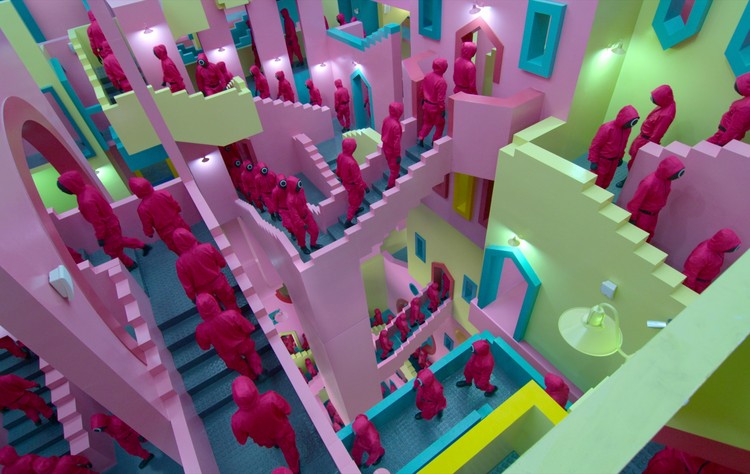
Probably a more obvious addition to this list, Squid Game benefits from uniform jumpsuits and a childhood play environment to achieve a cohesive production. While the games themselves take place in a facility designed to look like a schoolyard, scenes that take place outside of the games enclosure mostly happen at night or in grungy environments to keep a visually dark tone. But this show is no mere child’s play.
What sets this program apart from the typical K-drama is the cinematic approach to the production. Historically, K-dramas were broadcast on television and therefore refrained from nudity and overt sex, even in the “after hours” shows that were not intended for young audiences. These approaches were normally left to the film side of the industry, which often handles darker themes and provides more opportunity for risqué scenes. At the same time, with better access to quality filming equipment and bigger budgets, the thriller genre has been on the rise in Korean primetime slots, allowing for this project to finally be green-lit. Only one sex scene appears in the drama, which won’t be abnormal for international viewers, but will certainly set a precedent for future Korean productions utilizing streaming services.
The strongest takeaways from Squid Game are the props and the costumes. What has stuck in the audience’s mind after taking in the show is the first game played in the series. So far the story had taken a fairly predictable route of a man with a mountain of debt being lured by money into something he didn’t expect. But what shocks both the viewers and the characters is that the normally innocent game of Red Light, Green Light facilitated by a familiar cartoon character is in fact a more final exit than they realized. If a player messes up while playing these games, they die a brutal death. And likely, no one will miss them. In 2021, the swarms of people dressed in track suits and red hazmat suits lent instant recognition to the media that made the largest impact on viewers that year. For Korean viewers, the cartoon girl used in the Red Light, Green Light game suddenly had a different memory assigned to her image, a far cry from her previous place merely decorating children’s textbooks.
The most striking visual is the penultimate scene between the main character and his neighborhood friend, duking it out on the squid game playing field. After years of not seeing each other, Seong Gi-hoon and Cho Sang-woo fatefully meet on the floor of the games facility wearing matching tracksuits, both desperate for cash despite the opposite directions their life took them. “When we were kids, we would play just like this, and our moms would call us in for dinner.” After the blood bath of the previous rounds, the final titular game takes place on the same field that started it all with Red Light, Green Light. “They’re all dead. Everyone who was here back then, except for you and me. We’ve come too far to go back.” Now the last two players standing, their paths stand on the edge of both a real and metaphorical knife as the clouds darken the arena and rain falls down upon them. “Good rain knows the best time to fall,” says a wealthy spectator, noting the appropriate crossover of the outside world splashing into a previously idyllic play area. The brightly colored children’s playground has been washed away by the dark tones previously reserved for the world outside the games facility. In the end, all of this desperation and death had been merely for the viewing pleasure of wealthy men, masked in gold and relaxing in vibrant, lewd splendor. No amount of paint or finery could hide the injustice.
W: Two Worlds
W: Two Worlds is streaming on Viki
Leaning hard into its concept of being half a manwha and half the real world, W: Two Worlds artfully cues the viewer by deliberately lighting its “other world” scenes to evoke a line art appearance. Placing lights behind the talent and straight on their faces creates a harsher edge to their profiles and contrasts them from their backgrounds, coupled with increasing the saturation and deliberately shooting in colorful environments to provide the feel of a hand-drawn comic. This pre-planning allows for the editor to more easily guide the viewer toward following along as the protagonist moves between worlds.
As the story unfolds, it becomes more clear that the two worlds largely mirror each other. Subtle name changes are the main differentiator, but that is due to the fact that the other world is directly drawn by artists’ hands using real world references. But the largest differentiator between real world and manwha is how fancy the apartment is. The real world tends to be just that, as the female protagonist Oh Yeon Joo is a medical resident living with her mother in an average apartment. The glitz and glamor tend to stay in the manwha side of things, with the male protagonist Kang Cheol enjoying his penthouse apartment and sports car.
The largest visual crossover between worlds is the eventual overlap of the villain with Yeon Joo’s father, the artist behind the manwha world. This signifies the official blurring of lines between the worlds as the villain learns to jump into the real world and pursue the protagonists. With no one safe and their worlds upended, Cheol eventually must leave behind his glitzy life and go back to his middle class roots while on the run from the police. What matters most to him is revealed during his time as a fugitive, allowing him to eventually leave his own world behind and become “a real boy,” getting to live a normal life with Yeon Joo.
Watching K-dramas has been my main pastime over the last few years, greatly exacerbated by a global pandemic keeping me and everyone else indoors. With over 130 dramas watched so far, I’ve seen a wide range of classic and modern dramas. But there were a few shows that didn’t quite make the cut for me, either from content, styling, or quite honestly, just not being my thing. Here are three dramas that fell short of my standard of quality or expectations. (Look for a part two with dramas that didn’t appeal to my taste.)
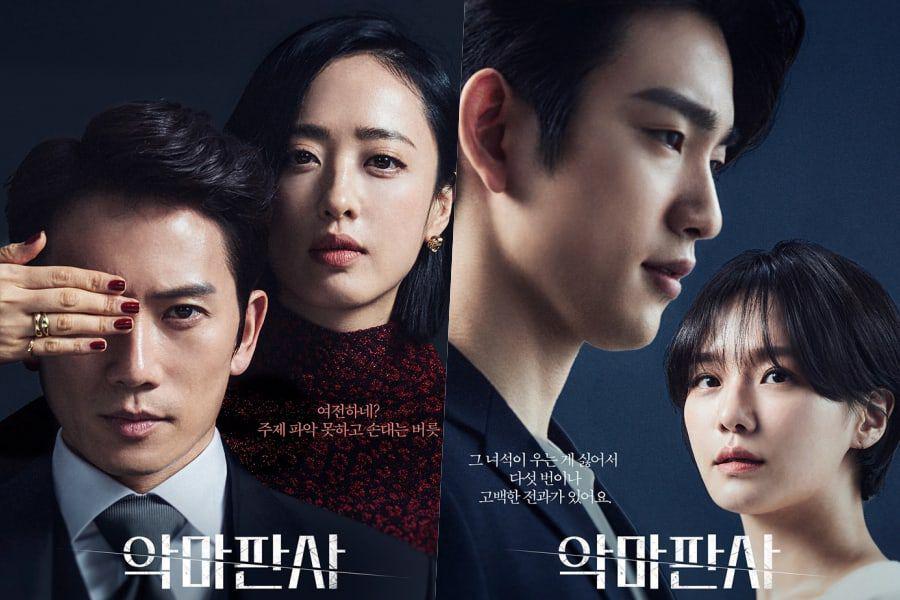
#1 The Devil Judge
Set in a dystopian South Korea, this drama feels a bit like Bladerunner in both visuals and tone. Following the viewpoint of a young judge, we see the world unfold as the government tests out a new judicial concept: live televised court cases with the people as the true judges. I was looking forward to this drama for two reasons: I’m a fan of Ji Sung for his role in Kill Me, Heal Me and I’m also a fan of Jinyoung because of GOT7 and the small parts I’d seen him play. My rule is typically to give any TV show at least three episodes before moving on. With that in mind, I did my best to get through the first few episodes while watching with a friend. What finally had me turn off the TV was that it turned justice into a game and I couldn’t take the show seriously anymore. While I understand that no court system can ever be perfect, having justice be almost entirely in the hands of the people felt like no chance for fair treatment. A fickle audience could be swayed by any emotional outburst, as shown by the drama. Not having finished the show, my guess was that this dystopian society was making a commentary on current social justice in South Korea, with the people’s opinion holding sway in court cases despite being based entirely on what the media purports. Unfortunately, the solid cast and intriguing production design weren’t enough to compete with the main plot point and keep me in my seat.
#2 Sisyphus: The Myth
Despite two exemplary actors headlining this drama, Sisyphus fell short in terms of pacing, character chemistry, and inconsistent action quality. The fighting sequences were typically shot well and engaging to follow, but the reliance on running scenes to fill time bored me. I’m sure the budget was partially to blame, but that could have been reconciled by cutting the amount of episodes down to eight and focusing more on relationship growth and combat sequences. Even the interesting concept of time travel to change past events lost its luster as the show took too long to tell us about the harrowing future. I made it through six episodes before giving up on the little progress made in the plot.
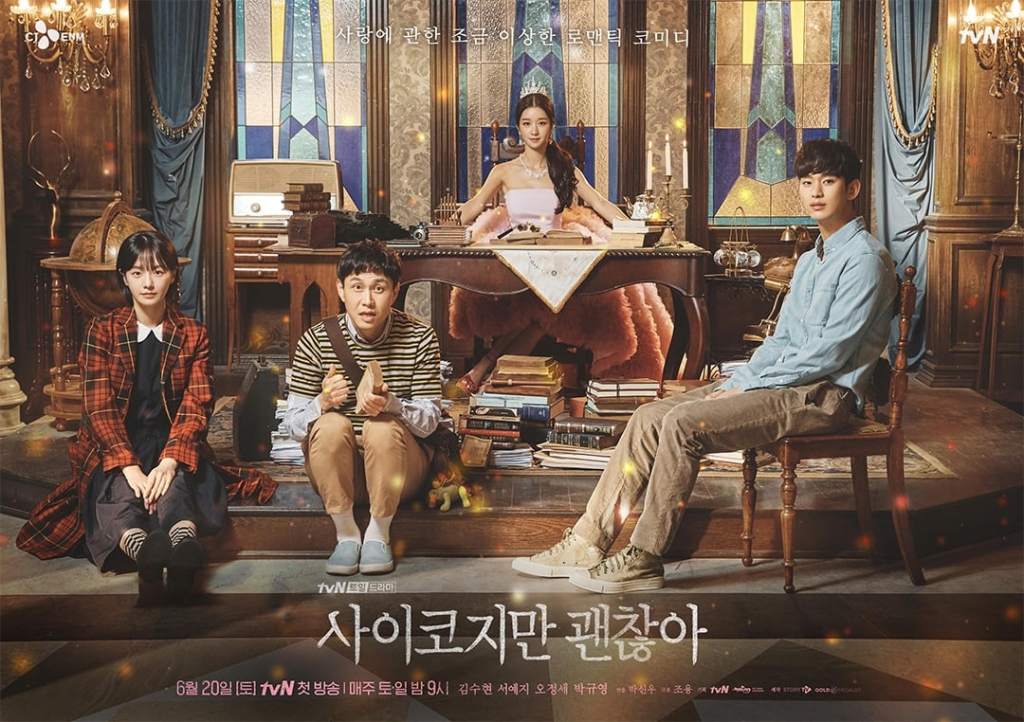
#3 It’s Okay to Not Be Okay
Boy, is this a beautiful drama. The lead actors, costuming, setting, production design, and music all lend themselves to the gorgeous gothic wannabe aesthetic of the main female character, Go Moon-young. At first, the erratic behavior of Moon-young is intriguing and even a bit empowering as we see someone actually stand up to abusive men. But the cracks in the facade eventually reveal someone with a personality disorder and highlight her obsession with a man with his own set of problems. The lead male character, Moon Gang-tae, is the guardian of his older brother, who is on the spectrum and hasn’t found his way to independence yet. After years of neglect from his own mother, Gang-tae is left in charge of his brother as a young teen, forced to fend for himself and ignore his own trauma for the sake of survival. The message of the drama is clear, it ISokay to not be okay. But in my opinion, it’s also important to take the time to heal your own wounds and not focus only on helping others. Getting into a relationship with someone who is also realizing their own trauma can be unwise, as it doesn’t leave much space for introspection. I gave this drama eight episodes of my time before I had to remove it from my watchlist–I couldn’t stand to see another potentially unhealthy relationship portrayed as the role model to follow for many vulnerable viewers.






 Drama Queens